
Lower heating and cooling costs
Insulating the wall cavity reduces the amount of heat escaping in winter and entering in summer. This means your heating and cooling systems work less to maintain a comfortable temperature, cutting energy bills.
Mount Waverley Wall Insulation
Cavity wall insulation for brick veneer homes in Mount Waverley cuts winter heat loss and summer heat gain through external walls. Expert Insulation Melbourne installs it with minimal disruption to your home.
Share your details and Expert Insulation Melbourne will contact you about Cavity Wall Insulation in Mount Waverley.
Cavity wall insulation fills the gap between the inner and outer leaves of brick veneer walls in Mount Waverley. A small hole is drilled into the mortar between bricks, and insulation material is injected into the cavity to trap still air and block radiant heat transfer. This is a cost-effective way to improve the thermal performance of existing brick veneer homes without removing wall linings.
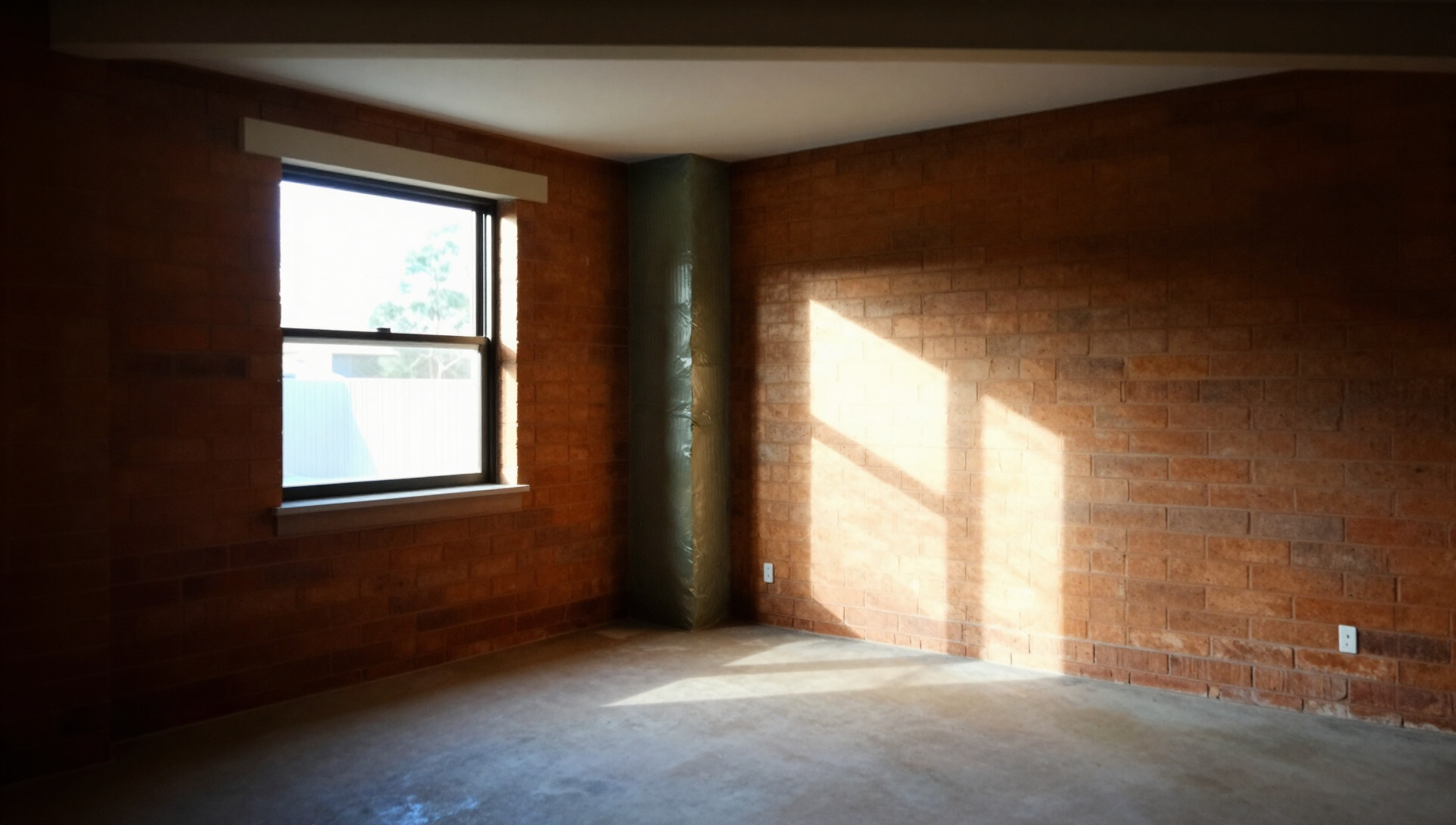
Mount Waverley’s mix of older brick veneer homes and newer builds means many properties still lack effective wall insulation. Cavity wall insulation addresses the main paths of heat loss and gain through external walls, which can account for up to 25% of a home’s total heating and cooling energy use.
Insulating the wall cavity reduces the amount of heat escaping in winter and entering in summer. This means your heating and cooling systems work less to maintain a comfortable temperature, cutting energy bills.
Brick veneer walls without insulation can feel cold in winter and hot in summer. Cavity insulation evens out indoor temperatures, making living spaces more comfortable without relying solely on HVAC systems.
Uninsulated wall cavities allow air movement, creating draughts that make rooms feel colder. Cavity insulation seals these gaps, improving airtightness and reducing cold spots near external walls.
The installation process is carried out from the outside of the home. Small holes are drilled into the mortar, insulation is injected, and the holes are colour-matched and patched, leaving no visible damage.
Once installed, cavity wall insulation does not settle or degrade over time. It maintains its R-value and thermal resistance for the life of the building, provided it stays dry and undisturbed.
Unlike wall batts, cavity insulation does not require removing plasterboard or wall cladding. This makes it ideal for retrofitting in established Mount Waverley homes where wall access is limited.
The process begins with a thorough inspection to confirm the wall type is suitable for cavity insulation. Not all brick walls have a cavity, and some may have moisture issues that need addressing first.
A technician inspects the brickwork to confirm it is a true cavity wall and that there are no signs of damp, moisture or structural issues. The wall’s condition and the presence of weep holes are checked to ensure insulation can be safely installed.
Small holes, typically 10-15mm in diameter, are drilled into the mortar joints at regular intervals. These holes provide access to inject the insulation material into the cavity without damaging the bricks.
Using specialised equipment, loose-fill insulation such as glasswool or rockwool is blown into the cavity through the access holes. The material fills the gap completely, ensuring no voids that could reduce performance.
Once the cavity is filled, the access holes are sealed with a colour-matched mortar to blend in with the existing brickwork. The site is left clean, with no visible signs of the work except for the improved thermal performance.
Mount Waverley’s many 1960s to 1990s brick veneer homes are ideal candidates for cavity wall insulation. These properties often have uninsulated external walls, leading to higher heating costs in winter and overheating in summer. Cavity insulation is a practical upgrade that improves comfort and energy efficiency without the need for major renovations. Nearby suburbs like Glen Waverley and Wheelers Hill share similar housing stock, making cavity wall insulation a common solution across the area.
Expert Insulation Melbourne installs cavity wall insulation in Mount Waverley brick veneer homes to cut heat loss and draughts.
Homeowners in Mount Waverley often have questions about whether their brick veneer home is suitable, how long the process takes, and what to expect. Here are the most common queries we answer.
Cavity wall insulation is one of the most effective ways to improve the thermal performance of brick veneer homes in Mount Waverley. Many properties in this suburb were built with uninsulated external walls, which allow significant heat transfer. By filling the cavity between the inner and outer brick leaves with insulation material, homeowners can reduce winter heat loss and summer heat gain, leading to lower energy bills and a more comfortable indoor environment.
The process is non-invasive and can typically be completed in a day, depending on the size of the home. Small holes are drilled into the mortar, insulation is injected, and the holes are sealed to leave the brickwork looking as good as new. This method is particularly suited to Mount Waverley’s established brick veneer homes, where retrofitting internal wall insulation would be impractical without major renovations.
Not all walls are suitable for cavity insulation. A pre-installation inspection checks for the presence of a true cavity, moisture issues, and structural integrity. If the wall is solid brick or has existing damp problems, alternative insulation methods may be recommended. For Mount Waverley homeowners, cavity wall insulation offers a straightforward way to upgrade thermal performance without disrupting the home’s interior.
Improve your home’s thermal comfort and reduce energy costs with cavity wall insulation. Expert Insulation Melbourne services Mount Waverley and surrounding suburbs.